Waterproof Concrete Sealer: Best Options, Benefits & Uses
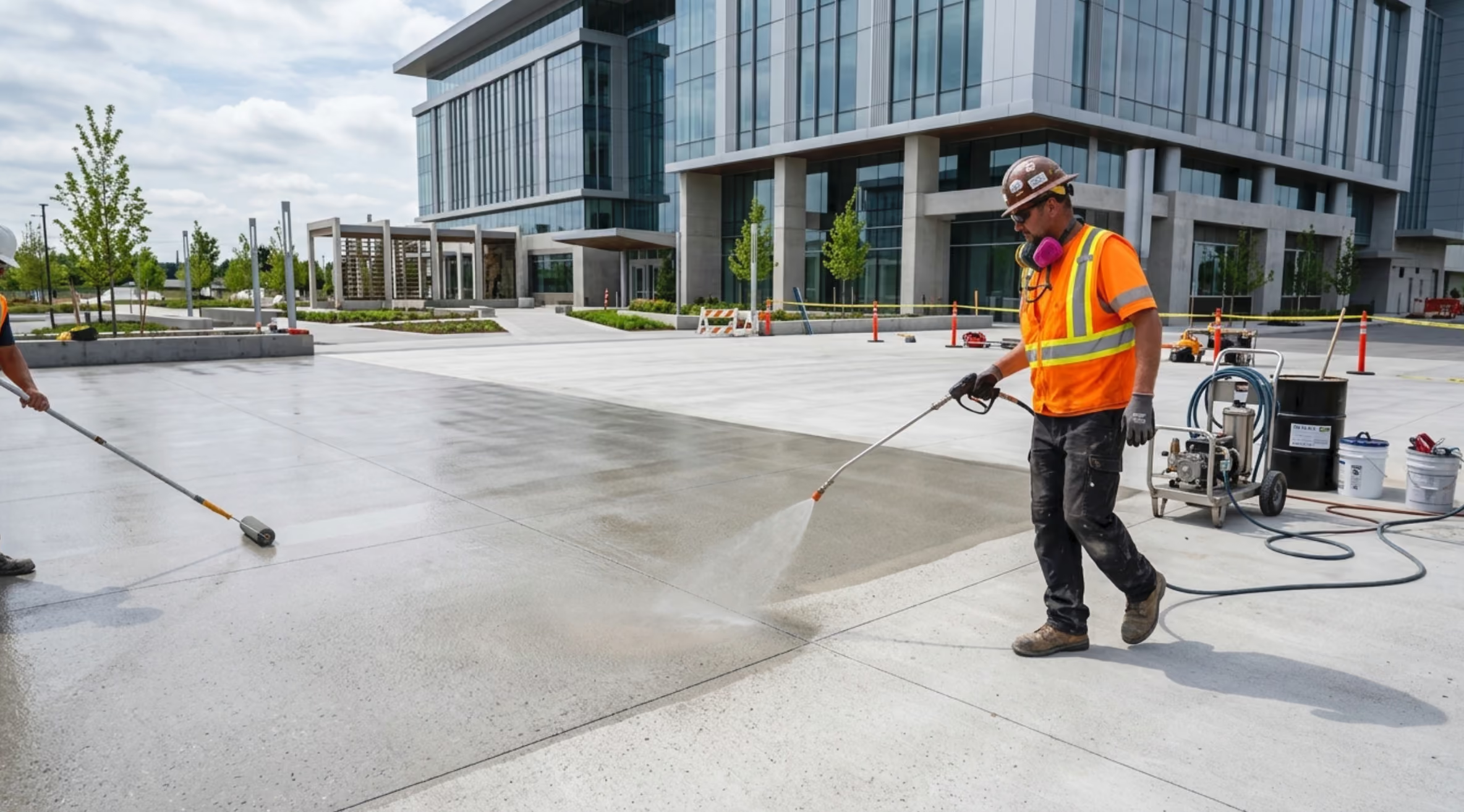
Waterproof Concrete Sealer: Best Options, Benefits & Uses
Concrete is one of the strongest and most widely used building materials, but it is not naturally waterproof. Although it appears solid, concrete contains microscopic pores that allow water to penetrate over time.
Once moisture enters concrete, it can lead to:
- Surface deterioration
- Cracking from water expansion
- Spalling
- Mold and mildew growth
- Corrosion of reinforcing steel
- Long-term structural damage
That's why contractors, builders, and property owners rely on a waterproof concrete sealer to protect concrete surfaces and extend their lifespan.
A quality concrete waterproofing sealer helps reduce water absorption, protects against moisture-related damage, and improves durability. However, not all sealers are designed for the same application. Some are intended for walls, others for floors, masonry, basements, or exterior concrete, while some penetrate deep into the concrete and others simply create a protective surface coating.
At Rebotec USA, we provide advanced waterproofing solutions for residential, commercial, and industrial concrete projects. If you need help selecting the right product, call +1 (469) 352-3379.
What Is a Waterproof Concrete Sealer?
A waterproof concrete sealer is a protective product applied to concrete to help prevent water from penetrating the surface. Depending on the product, it either creates a protective barrier or penetrates the concrete to repel moisture from within.
These sealers are commonly used on:
- Concrete walls
- Concrete floors
- Basement walls
- Foundations
- Driveways
- Patios
- Sidewalks
- Masonry walls
- Concrete block
- Commercial concrete surfaces
- Exterior concrete structures
The primary goal is to reduce water intrusion and protect concrete from long-term deterioration.
Why Concrete Needs Waterproof Protection
Although concrete is incredibly durable, it remains porous. Water naturally travels through these tiny pores, which can eventually weaken the structure.
Common Problems Caused by Moisture
- Cracking from moisture expansion
- Surface flaking (spalling)
- Mold and mildew growth
- Rusting reinforcing steel
- Basement moisture issues
- Freeze-thaw damage
- Staining and discoloration
- Reduced structural strength
- Increased maintenance costs
Using a concrete waterproof sealer helps minimize these issues by limiting water absorption.
Best Waterproof Concrete Sealer Options
The ideal waterproofing solution depends on where the concrete is located and the amount of moisture exposure it experiences.
1. Penetrating Waterproofing Concrete Sealer
Penetrating sealers soak into the pores of the concrete instead of remaining only on the surface.
Best For
- Exterior concrete
- Concrete walls
- Driveways
- Sidewalks
- Patios
- Masonry
- Concrete block
Benefits
- Maintains the natural appearance
- Doesn't create a thick surface coating
- Helps preserve traction
- Reduces water absorption
Limitations
Penetrating sealers may not be sufficient where concrete experiences:
- Constant moisture
- Heavy hydrostatic pressure
- Submerged conditions
2. Exterior Concrete Waterproofing Sealer
Designed specifically for outdoor concrete exposed to:
- Rain
- UV rays
- Humidity
- Temperature fluctuations
Common Applications
- Exterior walls
- Driveways
- Walkways
- Patios
- Concrete stairs
- Retaining walls
- Outdoor slabs
Tip: Proper surface preparation is essential. Concrete should be clean, dry, and free from dirt, oil, dust, or old coatings.
3. Concrete Wall Water Sealer
Vertical concrete surfaces frequently absorb moisture from:
- Rain
- Soil
- Groundwater
- Humidity
- Poor drainage
A concrete wall water sealer helps protect:
- Basement walls
- Foundation walls
- Exterior walls
- Concrete block walls
- Masonry walls
- Retaining walls
For severe hydrostatic pressure, additional waterproofing systems or drainage improvements may also be necessary.
4. Concrete Floor Waterproofing Sealer
Concrete floors can absorb moisture from both above and below the slab.
Ideal Applications
- Basement floors
- Garage floors
- Commercial buildings
- Warehouses
- Utility rooms
- Mechanical rooms
- Concrete slabs
Selecting the proper floor sealer depends on:
- Moisture exposure
- Traffic levels
- Residential vs. commercial use
5. Concrete & Masonry Waterproofing Sealer
These products protect multiple masonry materials, including:
- Concrete block
- Brick
- Stone
- Stucco
- Masonry foundations
- Retaining walls
They reduce water penetration while helping prevent long-term moisture damage.
6. Waterproof Concrete Sealer Spray
Spray sealers are convenient for:
- Small patios
- Walkways
- Steps
- Decorative concrete
- Touch-up repairs
Advantages
- Easy application
- Great for small projects
- Useful for difficult-to-reach areas
However, spray sealers generally aren't recommended for:
- Large commercial projects
- Heavy water exposure
- Structural waterproofing
- Long-term protection
What Is the Best Concrete Waterproofing Sealer?
There isn't a single best product for every situation.
Instead, choose based on your application.
ApplicationRecommended SolutionExterior ConcreteExterior waterproofing sealerBasement WallsWall water sealer or waterproofing systemFloorsConcrete floor waterproofing sealerConcrete BlockConcrete & masonry waterproofing sealerLong-Term ProtectionIntegral waterproofing solution
Surface Sealers vs. Integral Waterproofing
Traditional concrete sealers protect only the surface.
Integral waterproofing works differently by becoming part of the concrete itself.
Surface Sealers
Pros
- Easy to apply
- Good moisture protection
- Lower initial cost
Cons
- Wear down over time
- Require reapplication
- Can peel or crack
- Performance depends on surface preparation
Integral Waterproofing
Integral waterproofing products are incorporated into the concrete or mortar.
Benefits
- Waterproofing throughout the concrete
- Longer-lasting protection
- Reduced maintenance
- Better durability
- Ideal for commercial and structural projects
Rebotec USA offers advanced mineral-based waterproofing systems designed to protect concrete from within rather than only coating the surface.
How to Choose the Right Waterproof Concrete Sealer
Before purchasing a product, consider the following.
1. Where Is the Concrete Located?
- Interior
- Exterior
- Basement
- Commercial
- Industrial
Each environment requires different waterproofing performance.
2. What Type of Surface?
Different products are designed for:
- Walls
- Floors
- Slabs
- Masonry
- Foundations
3. How Much Water Exposure?
Consider whether the concrete is exposed to:
- Occasional rain
- Constant moisture
- Groundwater
- Hydrostatic pressure
- Submerged conditions
Greater exposure requires stronger waterproofing systems.
4. New Construction or Existing Concrete?
- New construction may benefit from integral waterproofing.
- Existing concrete typically requires surface-applied products or repair systems.
5. Desired Service Life
Some products require routine maintenance, while others provide significantly longer-lasting protection.
For structural applications, long-term durability should take priority over initial cost.
Common Uses for Waterproof Concrete Sealers
Waterproof concrete sealers are commonly used for:
- Basement waterproofing
- Foundation protection
- Concrete floors
- Driveways
- Sidewalks
- Patios
- Walkways
- Concrete block walls
- Masonry walls
- Commercial buildings
- Industrial facilities
Need Help Choosing the Right Waterproofing Product?
Selecting the right waterproof concrete sealer depends on:
- Surface type
- Moisture exposure
- Project requirements
- Long-term performance goals
Rebotec USA can help you identify the most effective waterproofing solution for residential, commercial, and industrial projects.
Call +1 (469) 352-3379 for product recommendations and technical guidance.
Conclusion
A waterproof concrete sealer is one of the best ways to protect concrete from moisture damage, staining, cracking, and long-term structural deterioration.
Whether you're sealing:
- Basement walls
- Concrete floors
- Driveways
- Exterior walls
- Masonry
- Commercial concrete
choosing the right waterproofing solution will significantly improve the lifespan and performance of your concrete.
While surface sealers provide excellent protection for many applications, integral waterproofing systems offer deeper, longer-lasting defense for demanding environments.
Rebotec USA provides advanced waterproofing products for residential, commercial, and industrial construction. Contact our team today to learn more about the right solution for your project.
Frequently Asked Questions
What is the best waterproof concrete sealer?
The best product depends on the application. Exterior concrete, basement walls, floors, and masonry each require different waterproofing solutions.
Does concrete need to be sealed to become waterproof?
Concrete is naturally porous. Sealing helps reduce water absorption, but severe moisture exposure may require more comprehensive waterproofing systems.
What is a concrete water sealer used for?
It helps protect concrete from water penetration on walls, floors, patios, foundations, driveways, and masonry surfaces.
Can waterproof concrete sealer be used outdoors?
Yes. Be sure to choose an exterior-rated waterproofing sealer designed to withstand weather exposure.
What is a penetrating waterproof concrete sealer?
It penetrates below the concrete surface to reduce water absorption while maintaining the concrete's natural appearance.
Is waterproof concrete sealer good for basement walls?
Yes, although severe groundwater pressure may require additional waterproofing systems and drainage improvements.
Can waterproof concrete sealer be applied to floors?
Absolutely. Specialized floor sealers are available for basements, garages, commercial buildings, warehouses, and utility rooms.
What's the difference between concrete sealer and concrete waterproofing?
Concrete sealers primarily protect the surface, while waterproofing may include coatings, membranes, additives, and integral systems designed to prevent water intrusion more effectively.
How long does waterproof concrete sealer last?
Service life varies depending on:
- Product quality
- Surface preparation
- Moisture exposure
- Traffic
- Maintenance
Some products require periodic reapplication, while integral waterproofing systems provide longer-lasting protection.
Who can help me choose the right waterproofing product?
Rebotec USA can recommend the appropriate waterproofing solution for your project.
📞 Call +1 (469) 352-3379 for expert guidance.