What Is Waterproof Concrete? A Practical Guide to Long-Lasting Protection
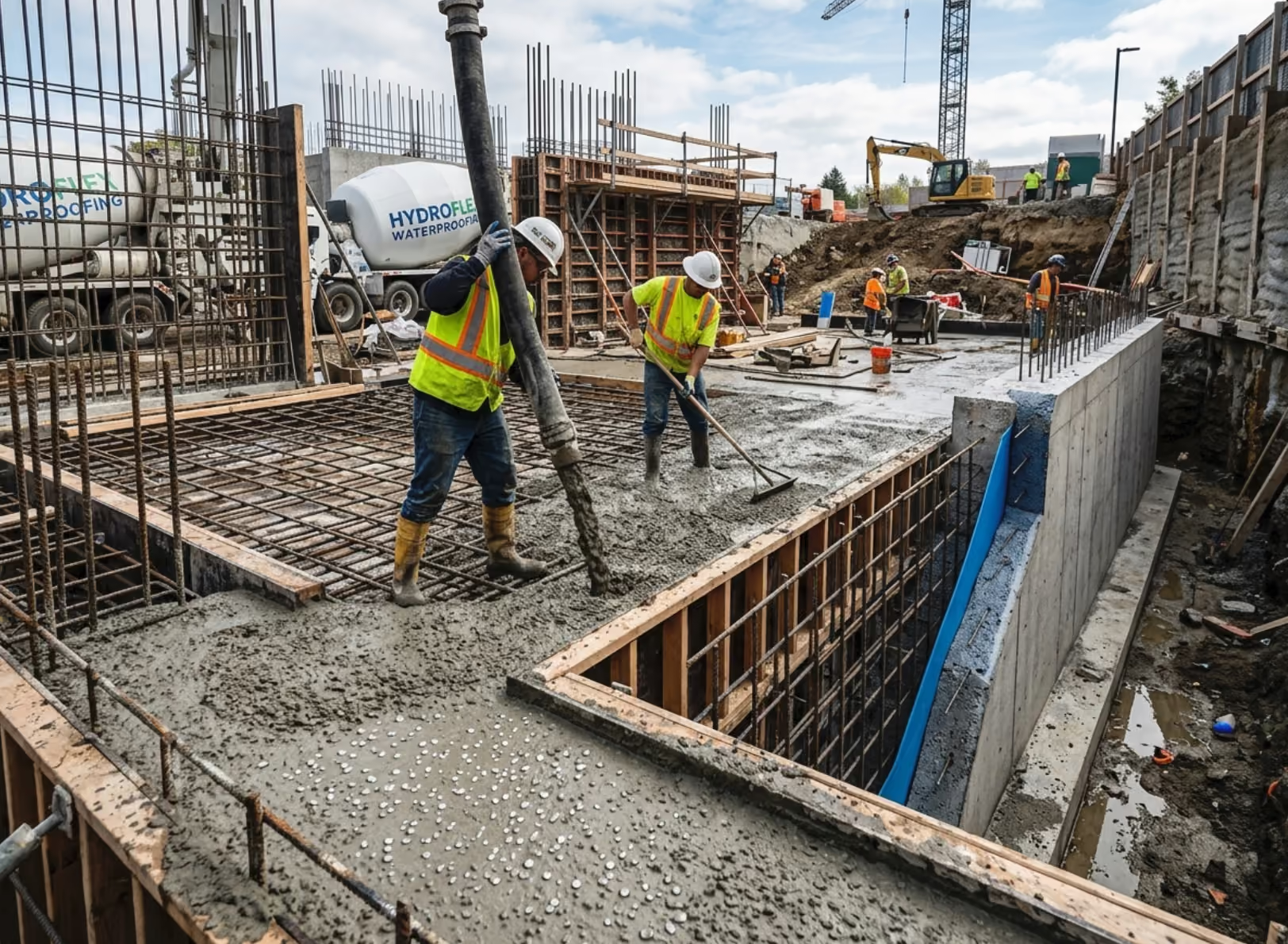
What Is Waterproof Concrete? A Practical Guide to Long-Lasting Protection
Even though concrete looks strong and solid, it is naturally porous. Over time, water can work its way into slabs, walls, foundations, retaining walls, tanks, and other concrete surfaces. Once moisture gets inside, it can lead to cracking, staining, mold, deterioration, and expensive repairs.
That is why waterproof concrete has become such an important topic for contractors, builders, and property owners who want structures to last.
So What Is Waterproof Concrete?
Waterproof concrete is concrete that has been treated or enhanced to resist water penetration. Instead of allowing moisture to seep into the material over time, it helps create a barrier against water intrusion. This is especially important in environments exposed to rain, groundwater pressure, humidity, or standing water.
At Rebotec, waterproofing is approached differently. Rather than relying only on surface treatments, Rebotec offers a 100% mineral-based waterproofing product system that integrates directly into the concrete mix, creating a permanent hydrophobic barrier from within.
To understand how this process works in detail, you can read this breakdown: How Rebotec Waterproofing Additive Works
Why Concrete Needs Waterproofing
A lot of people assume concrete is already waterproof. It is not.
Concrete contains tiny pores and capillaries that absorb and transport water. Once moisture enters, it can cause several issues:
- Structural weakening over time
- Cracking and surface deterioration
- Staining, spalling, and premature wear
- Mold and mildew in moisture-prone environments
- Increased long-term maintenance costs
This becomes especially critical in foundations, basements, retaining walls, pools, water tanks, stucco systems, and other structural applications.
To prevent these issues early, builders often follow proven waterproofing prevention strategies that reduce long-term structural risk.
How Waterproof Concrete Works
There are multiple approaches to waterproofing concrete. Some systems are applied after curing, while others are added during mixing.
Surface-applied solutions can be effective, but they depend heavily on application quality and maintenance. If the surface layer fails, protection can be compromised.
Integral waterproofing works differently.
This is where systems like Rebotec Admix Powder come in. The additive is mixed directly into the concrete so waterproofing becomes part of the material itself.
For correct installation methods, refer to the application guide: How to Use Rebotec Concrete
What Makes Mineral-Based Waterproofing Different
Rebotec positions its solution as a 100% mineral-based waterproofing system with zero chemicals. Instead of acting as a coating, it becomes part of the concrete structure itself.
This approach offers key advantages:
- Waterproofing becomes integral, not surface-level
- Designed for long-term structural durability
- No reliance on chemical-heavy coatings
- Supports eco-friendly construction practices
Learn more about foundational concepts Concrete Waterproofing Basics
Benefits of Waterproof Concrete
Waterproof concrete is not just about stopping water. It is about improving the entire lifespan and performance of a structure.
Improved Durability
Water-resistant concrete reduces internal damage caused by moisture infiltration, improving long-term structural integrity.
Longer Lifespan
Structures exposed to less water damage typically last significantly longer with fewer repairs.
Lower Maintenance Costs
Preventing water intrusion reduces the need for patching, resurfacing, and repeated waterproofing work.
Better Performance in Moisture-Prone Environments
Below-grade structures, tanks, pools, and masonry systems benefit significantly from built-in water resistance.
Added Protection from the Start
Instead of reacting to water damage, waterproof concrete prevents it during construction.
Where Waterproof Concrete Is Commonly Used
Waterproof concrete is widely used in:
Foundations, retaining walls, basements, water tanks, swimming pools, stucco systems, brick and block systems, stonework, and concrete slabs.
For full product applications, explore: Rebotec Waterproofing Products
Why Application Matters
Even the best waterproofing system depends on correct installation.
Rebotec emphasizes:
- Using proper safety gear
- Avoiding manual mixing
- Using a concrete mixer for consistency
- Following correct dosage ratios
- Allowing full 28-day curing time
For step-by-step guidance, visit: <a href="/videos">Waterproofing Installation Videos</a>
What to Look for in a Waterproof Concrete Solution
Before choosing a system, consider:
Is it integral or surface-applied?
Is it designed for long-term durability?
Is it safe and environmentally responsible?
Does it include clear application instructions?
Is real-world testing available?
Explore verified solutions here: <a href="/products">Rebotec Product Line</a>
Why Rebotec Stands Out
Rebotec is built around a simple principle: protect concrete from water damage from within.
The system includes:
Together, they form a complete waterproofing system designed for durability, sustainability, and long-term performance.
Final Thoughts
Waterproof concrete is not an optional upgrade in modern construction—it is a performance requirement.
Concrete is strong, but without protection, water will gradually degrade it from the inside out. Waterproof concrete reduces that risk, improving durability, lowering maintenance costs, and extending structural lifespan.
Explore more:
Call to Action
Want to protect your next concrete project from water damage?
Contact Rebotec USA or explore our waterproofing solutions to find the right system for your application.